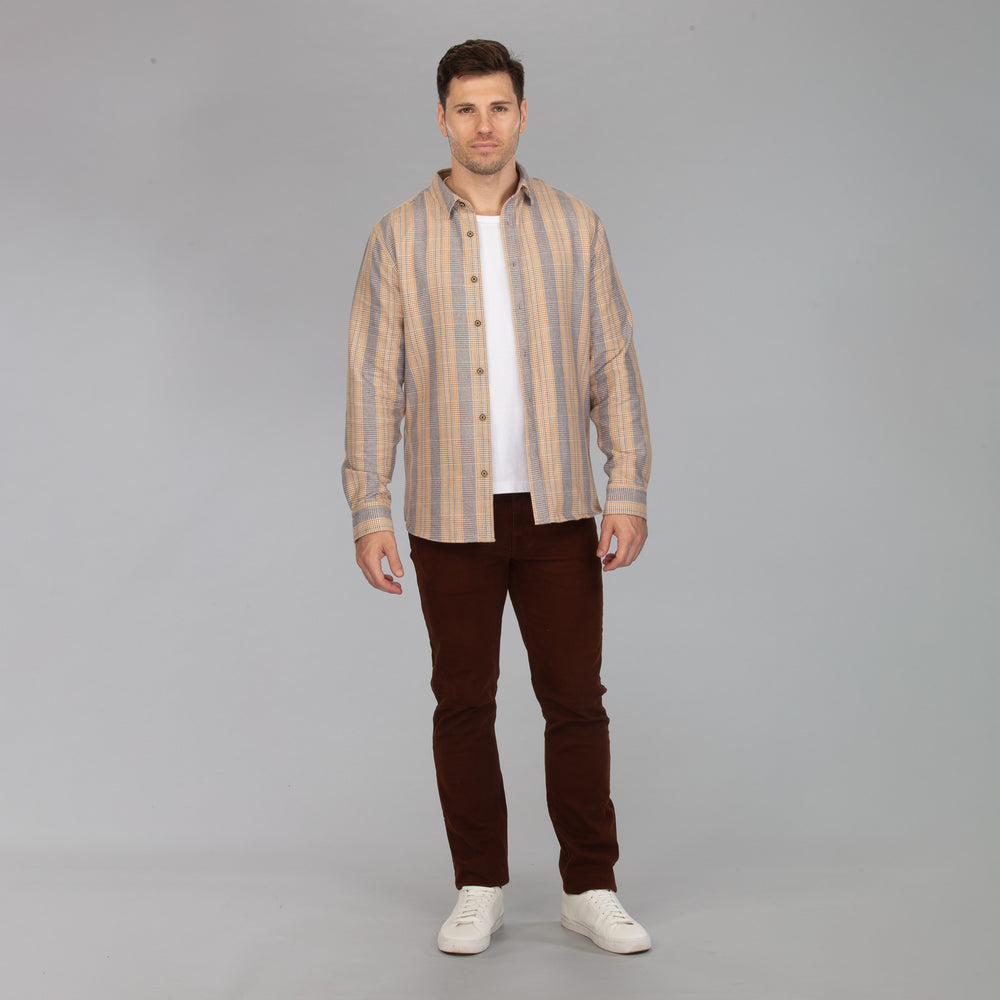
The Best Fabrics for Transitional Weather
Dressing for transitional weather can be tricky. One minute it feels like summer, and the next, there's a noticeable chill in the air. Instead of completely changing your wardrobe with the seasons, the key is choosing versatile fabrics that can adapt to changing temperatures.
From breathable linen blends to insulating wool, the right materials can help you stay comfortable while making your wardrobe work harder. Here are some of the best fabrics for transitional weather and how to wear them.
1. Linen: Lightweight and Breathable
Linen is often associated with summer, but its breathability makes it surprisingly useful during the early stages of fall. Made from flax fibers, linen allows air to circulate while helping manage moisture, making it a comfortable option when temperatures are still warm during the day.
For transitional weather, look for linen blended with another natural fiber. A linen-cotton blend can provide the breathability of linen with the softness and structure of cotton.
The Vustra Indigo Linen Shirt is a great example. Made from 52% linen and 48% organic cotton, it offers lightweight comfort while maintaining the polished look of a classic button-down. Wear it on its own during warmer afternoons or layer it over a tee when temperatures begin to drop.
2. Cotton: The Everyday Essential
Few fabrics are as versatile as cotton. Soft, breathable, and easy to style, cotton works across a wide range of temperatures and occasions. It's especially useful during transitional seasons because it can be worn on its own or incorporated into a layered outfit.
Organic cotton is another option to consider when building a more intentional wardrobe. Look for quality pieces that can be worn repeatedly throughout the year rather than items designed around a single season.
A cotton tee can serve as a base layer under an overshirt or jacket, giving you the flexibility to adjust your outfit throughout the day.
3. Wool: Lightweight Warmth
As fall temperatures become cooler, wool becomes increasingly useful. Unlike heavier winter fabrics, lightweight wool can provide warmth without necessarily feeling bulky.
Wool is particularly effective when incorporated into a fabric blend. Combining wool with cotton or other fibers can create a layer that offers warmth, structure, and durability while remaining versatile enough for everyday wear.
For cooler mornings and evenings, a wool-blend outer layer can be one of the most useful pieces in your wardrobe.
4. Blended Fabrics: The Best of Both Worlds
One of the smartest approaches to transitional dressing is choosing fabric blends. Combining materials can balance the strengths of each fiber, creating clothing that works across changing conditions.
For example, Vustra's Cedar Utility Jacket combines cotton, wool, recycled polyester, and nylon. The result is a structured yet versatile layer designed to work over tees and lightweight sweaters. It's an easy choice when you need something more substantial than a shirt but don't yet need a heavy winter coat.
Build a More Versatile Transitional Wardrobe
The best transitional wardrobe isn't necessarily the one with the most clothes. It's the one with pieces that can adapt.
Look for breathable fabrics like linen and cotton for warmer days, lightweight wool for cooler temperatures, and thoughtfully designed blends that bridge the gap between seasons. Then, use layering to adjust your outfit as the weather changes.
When you choose versatile, quality fabrics, getting dressed between seasons becomes less about guessing the forecast—and more about having the right pieces ready for whatever the day brings.